

 Skip to content
Home » Recreation
Recreational facilities operate under some of the most demanding indoor air management conditions in the built environment. Ice arenas, multi-sport complexes, fitness centers, aquatic facilities, hotels, indoor amusement venues, and cruise ships experience constant occupancy shifts, high respiration loads, elevated humidity, and extended HVAC runtime. For engineers and facility managers, maintaining consistent indoor environmental quality in these settings requires more than upgraded filtration–it requires scalable, HVAC-integrated solutions designed for continuous-duty operation.
Air Sniper is engineered to meet the operational realities of recreation-focused facilities. Installed directly within air handling systems, Air Sniper delivers continuous supplemental air purification using UV-C technology while preserving airflow efficiency and minimizing lifecycle cost.
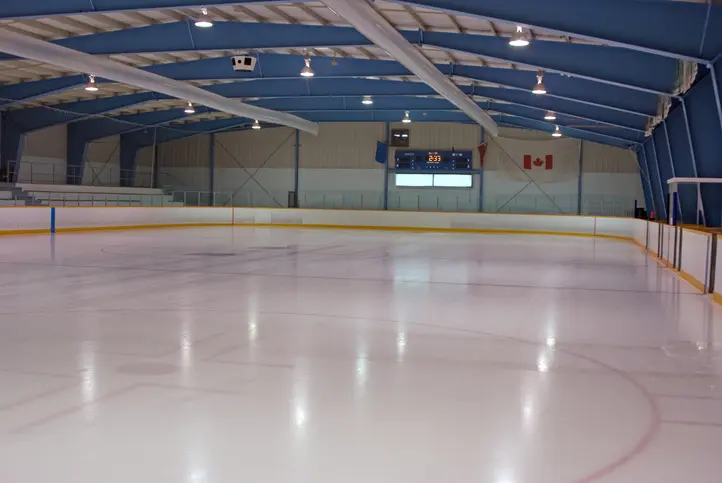
Recreational buildings are not static environments. Ventilation rates vary based on occupancy schedules, event surges, training sessions, and seasonal demands. Peak spectator events in arenas or tournaments in indoor sports complexes can cause rapid increases in airborne particulate concentration and bioaerosol density.
Unlike conventional commercial office spaces, recreational facilities typically encounter:
For decision-makers evaluating air purifiers for recreation centers, performance must be measured in terms of air changes, energy consumption, service intervals, and integration capability–not standalone device specifications.
Air Sniper systems are designed to operate within central air handling units (AHUs) or rooftop units (RTUs), providing UV-C exposure within the airflow path. By treating recirculated air at the mechanical level, facilities can enhance environmental control without increasing static pressure or introducing additional mechanical load.
This distinction is critical. Mechanical filtration upgrades often require fan rebalancing, increased horsepower, and more frequent filter replacement. In contrast, UV-C supplementation does not alter airflow resistance. The system works alongside existing filtration to reduce airborne contaminants as air passes through the irradiation field.
For large recreational environments, this HVAC-level integration provides:
The result is measurable support for improving air quality in recreational spaces without increasing operational strain.
Recreational facilities frequently push mechanical systems to environmental extremes. Ice rinks expose equipment to sub-zero adjacent conditions, while indoor pools generate corrosive, high-humidity air. Rooftop units in stadiums may experience wide temperature fluctuations throughout the year.
Air Sniper systems are engineered for reliable operation between -20°C and +100°C. This temperature tolerance ensures performance continuity whether installed in a rink-side mechanical room or a rooftop air handler serving a convention center.
Equally important is the 55,200-hour UV-C lamp lifespan. In facilities operating 18–24 hours per day, maintenance cycles are a significant cost driver. Traditional UV systems requiring replacement every 9,000–12,000 hours create recurring labour demands across multiple units. Air Sniper’s extended lamp life–over six years of continuous operation–substantially reduces service frequency and associated downtime.
For hotel chains, recreation complexes, or cruise operators managing distributed assets, maintenance predictability directly supports budgeting accuracy and operational stability.
Energy modelling for recreational facilities often reveals HVAC systems as one of the largest contributors to total building energy use. Ice arenas, for example, must balance refrigeration loads, ventilation requirements, and spectator comfort simultaneously.
Air Sniper’s UV-C design adds minimal incremental wattage while avoiding the airflow penalties associated with high-MERV filtration upgrades. Because static pressure remains unchanged, fan motors operate within original design parameters. This ensures that supplemental purification does not inadvertently increase electrical consumption.
When integrated into a Building Automation System (BAS), Air Sniper can operate in synchronization with occupancy schedules, demand-controlled ventilation, and air change strategies. Facilities can therefore maintain environmental consistency during peak usage while avoiding unnecessary runtime during off-peak hours.
In long-duration recreational operations, this balance between purification and energy discipline becomes central to lifecycle value.
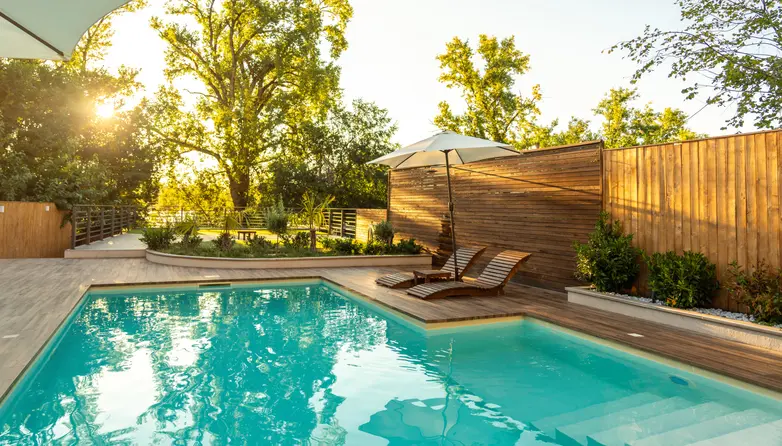
Air Sniper systems are adaptable to diverse recreational typologies. Common applications include:
Each environment presents distinct airflow patterns and contaminant profiles. Modular UV-C configurations allow engineers to tailor installation density to airflow volume and duct geometry.
Below is a summary of integration considerations by facility type:
| Recreational Facility | HVAC Characteristic | Air Sniper Integration Strategy | Operational Impact |
|---|---|---|---|
| Ice Arena | High air recirculation + cold zones | AHU in-duct UV-C array | Continuous supplemental purification with low maintenance |
| Natatorium | Elevated humidity | Coil-focused UV-C placement | Supports coil surface management and air stream treatment |
| Fitness Center | High respiration load | Rooftop unit installation | Low energy impact during extended operating hours |
| Hotel Recreation Wing | 24/7 HVAC zones | Multi-unit modular configuration | Reduced lamp replacement cycles |
| Cruise Ship | Centralized ventilation network | Scalable AHU integration | Performance consistency across distributed decks |
Recreational facilities must demonstrate adherence to established safety and equipment standards. Air Sniper systems are certified to cETLus, UL, and CSA requirements and operate under EPA Facility Registration (100516-CAN-1).
All efficacy claims are limited to supplemental air purification in compliance with PCPR Section 4(1)(c). No disease mitigation or prevention claims are made. This compliance-focused approach allows facility operators to strengthen indoor air management strategies while remaining within regulatory guidelines.
For organizations aligning with ASHRAE 241 indoor air quality principles, HVAC-integrated UV-C supplementation may form part of a broader, performance-based ventilation strategy.
Engineers responsible for recreation facilities evaluate solutions based on measurable metrics:
Air Sniper addresses each of these priorities. The 6+ year lamp life reduces recurring maintenance. The low-wattage design preserves HVAC efficiency. Industrial-grade construction supports extreme operational conditions. Modular configurations enable expansion as facilities grow or ventilation standards evolve.
For stakeholders focused on improving air quality in recreational spaces, the objective is not a temporary upgrade but a durable infrastructure enhancement.
Recreational facilities represent high-demand air management ecosystems. Occupant density, activity intensity, and extended operating hours require air purification systems that are reliable, energy-conscious, and maintenance-efficient.
Air Sniper provides HVAC-integrated UV-C supplemental purification designed specifically for these environments. For professionals evaluating air purifiers for recreation centers, the decision ultimately rests on lifecycle cost, engineering compatibility, and operational resilience.
In high-density public venues, air management must perform continuously and predictably. Air Sniper delivers that performance–supporting environmental control objectives across arenas, hotels, sports complexes, and hospitality facilities where reliability is not optional but essential.
System sizing is based on airflow volume (CFM), duct geometry, air velocity, and exposure time within the irradiation field. Engineers evaluate the air handler’s internal dimensions and recirculation rate to determine lamp quantity and placement. In high-CFM environments such as arenas, multiple UV-C arrays may be configured within the AHU to ensure uniform exposure across the airflow cross-section. Proper placement ensures effective supplemental air purification without disrupting airflow balance or static pressure.
Yes. Air Sniper systems are designed for integration into existing ductwork and air handling units. In most cases, installation requires access panel modifications and electrical tie-in, but does not necessitate fan upgrades or major mechanical redesign. Because the system does not increase pressure drop, it avoids the need for motor resizing or airflow recalibration, making it well-suited for retrofit applications in older recreation facilities.
When properly engineered and installed, UV-C systems are positioned to focus irradiation within the airflow pathway and, when applicable, on coil surfaces. Materials within modern AHUs are typically compatible with UV-C exposure. Installation guidelines ensure that sensitive non-UV-rated materials are shielded when necessary. In natatoriums or humid facilities, UV-C systems can support coil surface management by reducing biological buildup, contributing to sustained heat transfer efficiency.
Maintenance requirements are minimal. Routine inspection typically aligns with existing HVAC service intervals. The primary service event is lamp replacement at approximately 55,200 operational hours (6+ years under continuous operation). Compared to conventional UV systems requiring more frequent replacement, this extended lifespan significantly reduces labour costs, lift rentals in large mechanical rooms, and system downtime in high-ceiling arena installations.
High-MERV filtration increases particulate capture but also increases static pressure, which can elevate fan energy consumption and shorten filter replacement cycles. In large recreational air handlers moving high volumes of air, this energy penalty can be significant. UV-C supplementation provides continuous airborne contaminant reduction without altering airflow resistance. Many facilities deploy UV-C in conjunction with optimized filtration to balance performance, energy efficiency, and maintenance requirements.
Our customer service staff are happy to answer any questions that you may have. We can also help facilitate bulk purchases and importing to other countries. Use the form below and we’ll connect you with a representative close to you.